Core Principles & Ideas
Relearning History
Many of us absorbed a history of Israel's founding that was incomplete, inaccurate, and misleading. Among other things, we believe it's essential to learn about and acknowledge the Nakba—the catastrophe Palestinians experienced during Israel's creation. This means recognizing that Israel's founding involved the mass displacement and expulsion of hundreds of thousands of Palestinians, and that systems of violence, inequality, and occupation persist today. We see this acknowledgment not as a betrayal of Jewish identity, but as a necessary foundation for any path toward justice and peace.
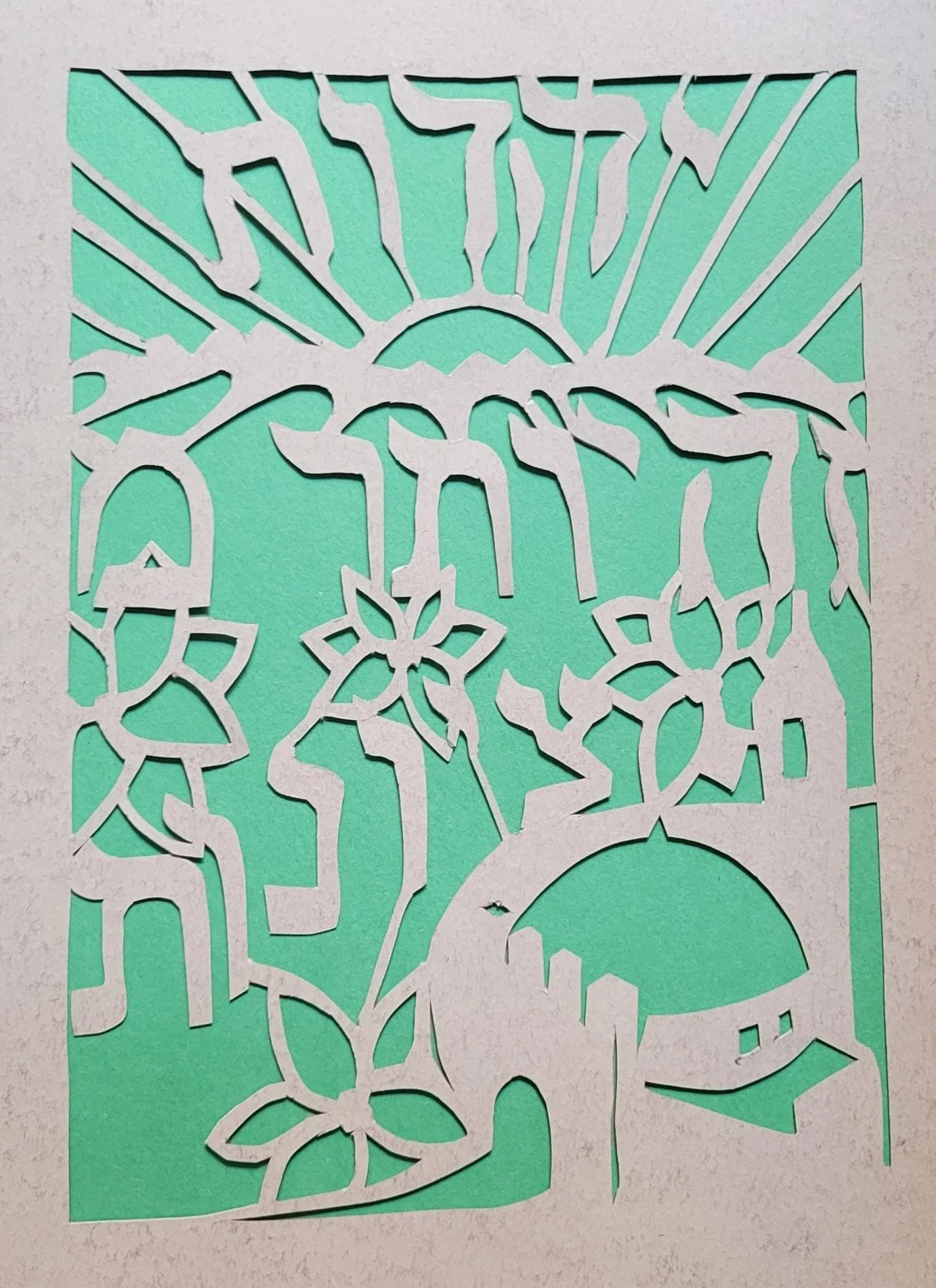
Ahavat Tzion
We distinguish between Ahavat Tzion—the love and spiritual connection many Jews feel to the land, and the hope for a just and peaceful Jewish presence there—and political Zionism, a political movement that, in practice, has created a Jewish ethnostate privileging Jews over non-Jews and has led to the dispossession of those who were living on the land.
On antisemitism
We distinguish between antisemitism—prejudice against Jews—and legitimate criticism of political Zionism or the Israeli government. We reject weaponizing antisemitism to silence necessary conversations.
On the shifting
meaning of “Zionism”
"Zionism" carries many meanings — political, cultural, and others — and its meaning has shifted over time. Early on, for many Jews, it described an aspiration for Jewish safety and self-determination. In contemporary discourse, many use the term to refer to a political ideology which in practice has meant the dispossession of Palestinians, ethnic cleansing, occupation, and a legal structure that enshrines unequal rights.
We recognize that anti-Zionism is not opposition to Jewish safety — nor is it opposition to individual Jews who identify as Zionists. It is opposition to an ideology and political project that has pursued Jewish safety at the expense of another people.
On Identity & Change
Language can be a trap, and it can feel threatening. When we speak in favor of or against ideas, policies, ideologies or states, our intention is to advocate for behavioral and systemic change, not to villainize humans who hold these beliefs or are citizens of a particular country.
Shared Safety
We believe that the safety of our people cannot be built on another people's oppression. We feel safety comes through mutual respect, human rights, and shared dignity for all.
On Belonging
We recognize that our deep human need to belong—to identify with our ethnic, religious, national, political, or cultural groups—can pull us toward a loyalty that overrides a commitment to basic human rights and erases our individual moral responsibility. We value building community but prioritize ethics and humanistic values over uncritical loyalty to any group or ideology (including this one!).